Problem Statement
Why battery selection is mission critical
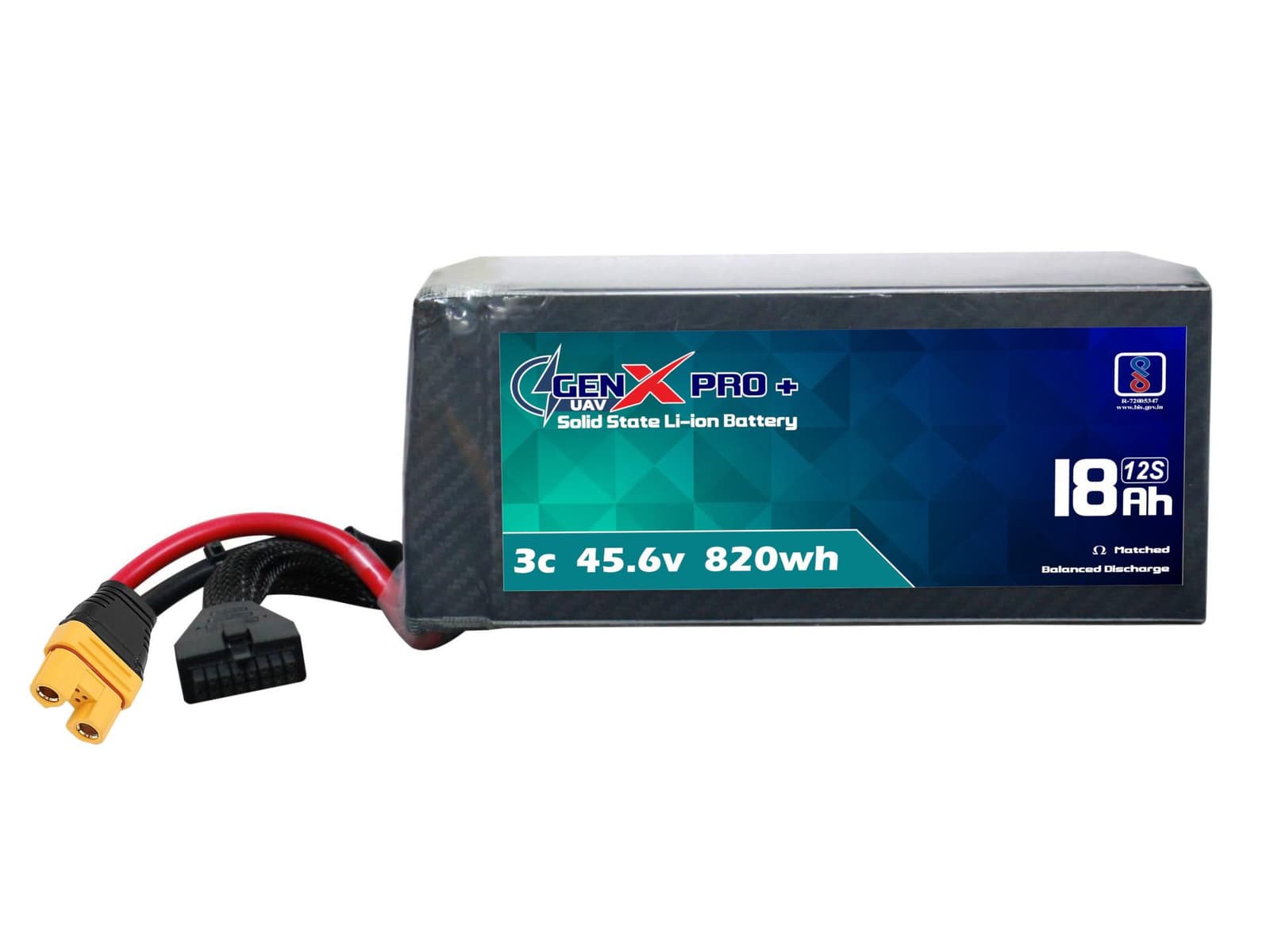
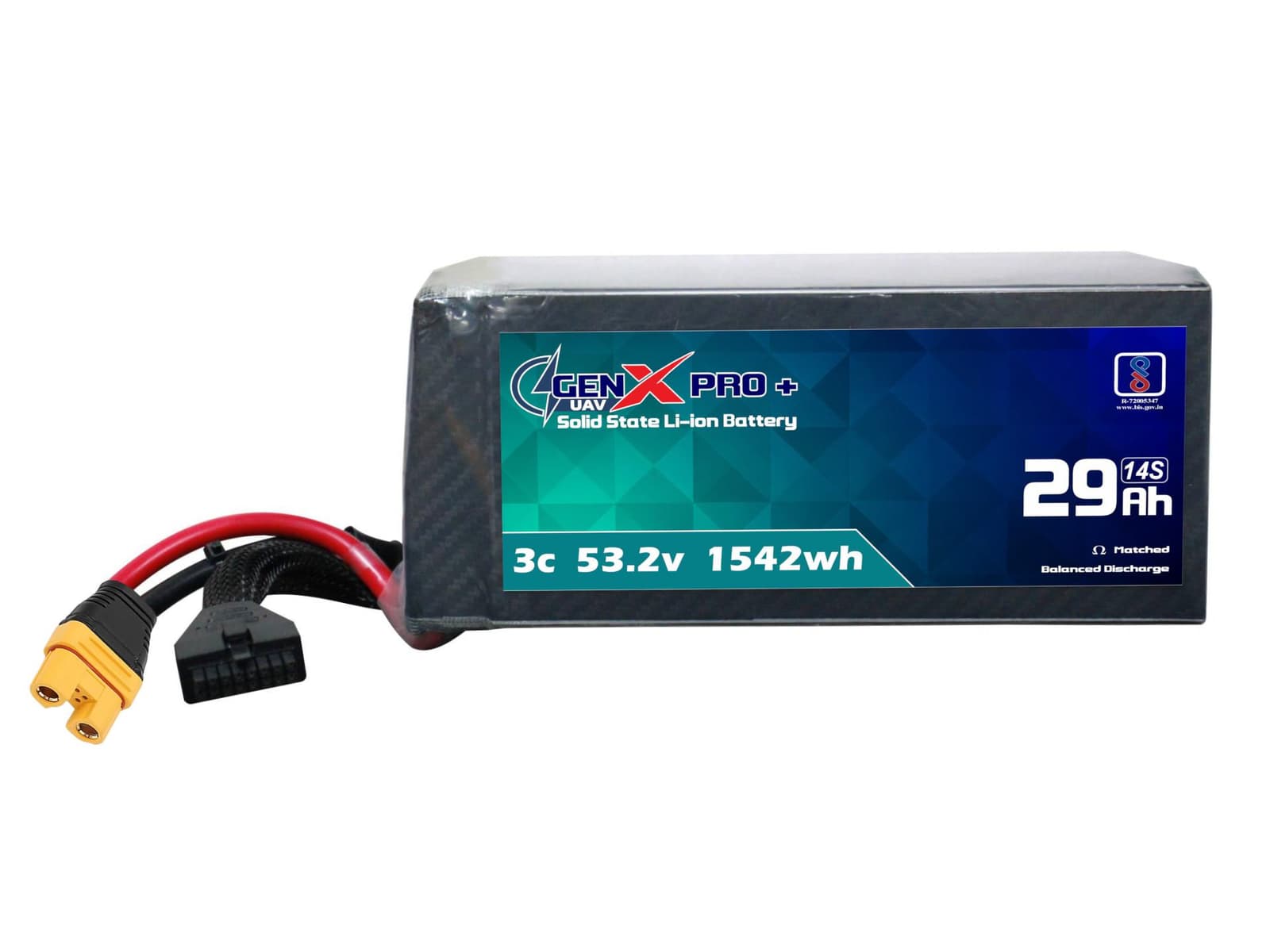
high capacity drone battery searches often start broad, but professional UAV teams need more than a simple product listing. GenX structures this page for buyers comparing larger mAh UAV packs for payload, mapping, agriculture, delivery and industrial missions, connecting application requirements, chemistry choice, voltage, capacity, connector safety, charger fit, spare pack planning, GST billing and RFQ review into one buyer path. The goal is to help Indian drone teams compare practical battery options for missions where higher stored energy must be balanced against aircraft weight and current demand before they commit to a single pack format or fleet quantity.
This page targets buyers searching for high capacity drone battery with commercial intent. A professional buyer may be replacing an old pack, shortlisting batteries for an OEM platform, preparing a fleet purchase, comparing Indian suppliers or validating a new UAV program. The right answer depends on aircraft voltage, current draw, payload, mission duration, charger, connector, operating temperature and daily sortie pattern. GenX keeps those details visible so the page is useful for both early research and procurement-ready RFQs.
Battery selection begins with voltage compatibility and series count, because an aircraft designed for one voltage class cannot be treated as universal. Capacity should be compared as usable energy, not just the largest mAh printed on a label. Current delivery, discharge rating, connector rating, balance lead, charger profile, pack weight and physical size all influence whether the battery is safe for missions where higher stored energy must be balanced against aircraft weight and current demand. A correct shortlist balances these factors instead of optimizing only one number.
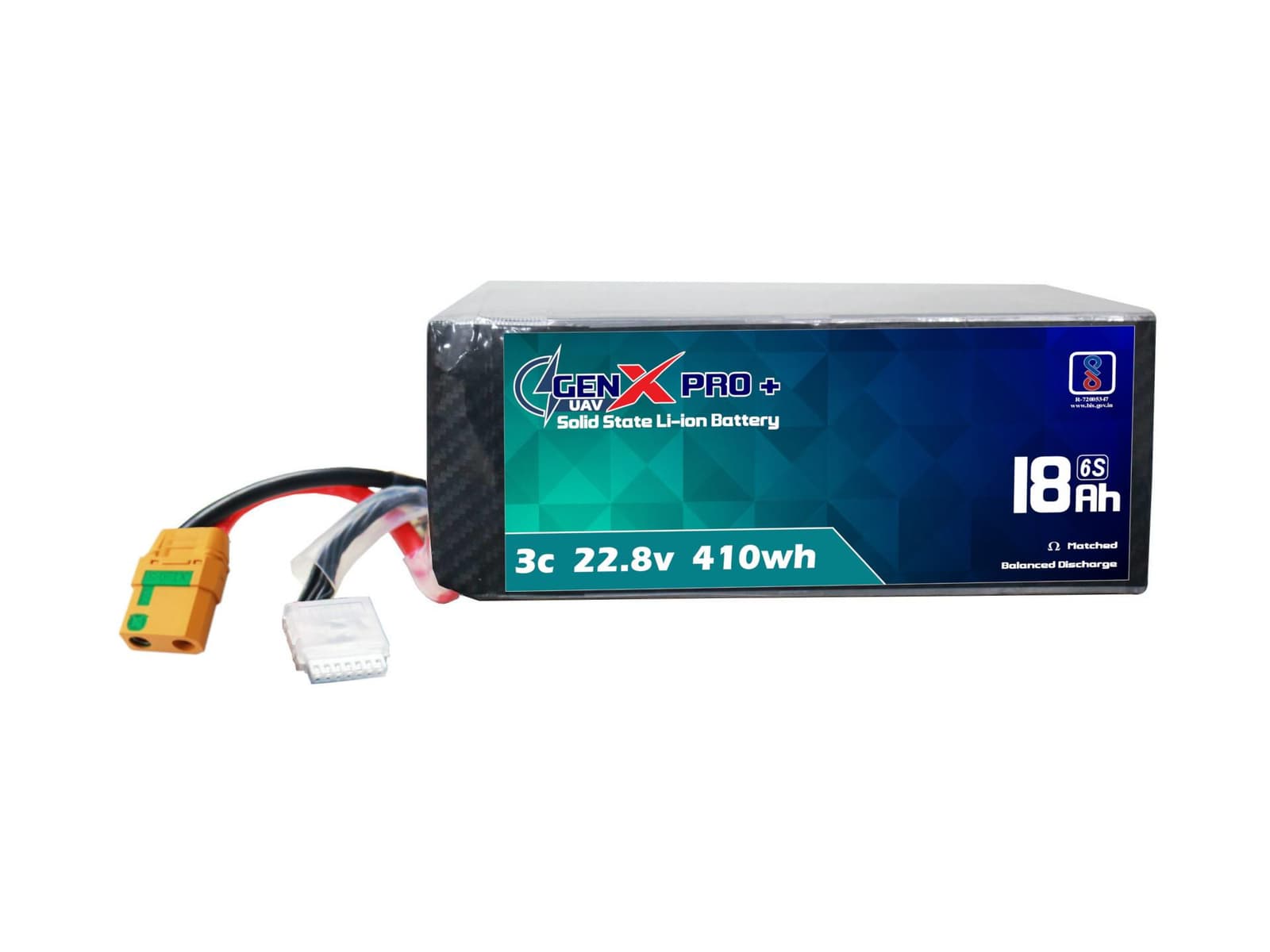
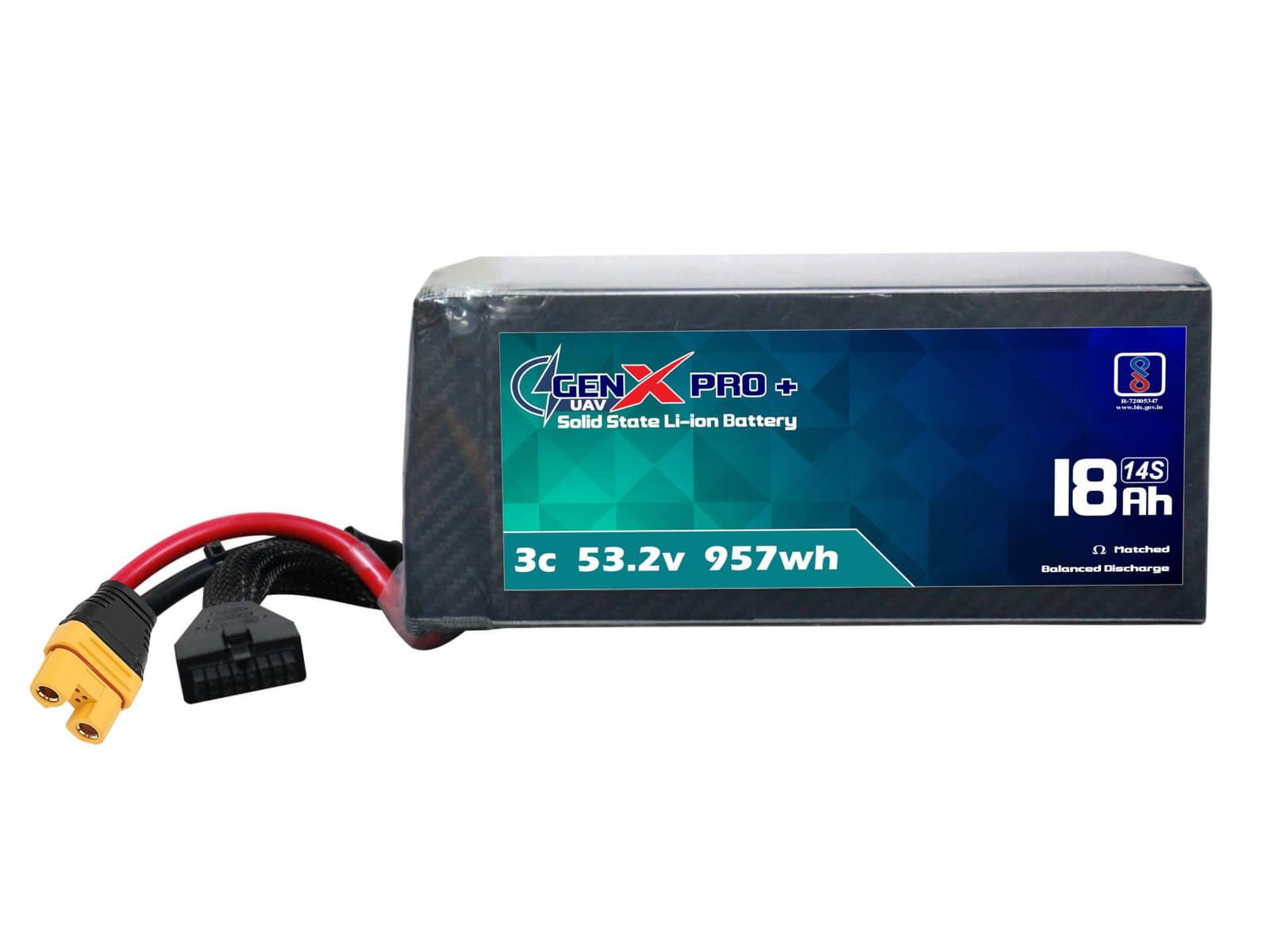
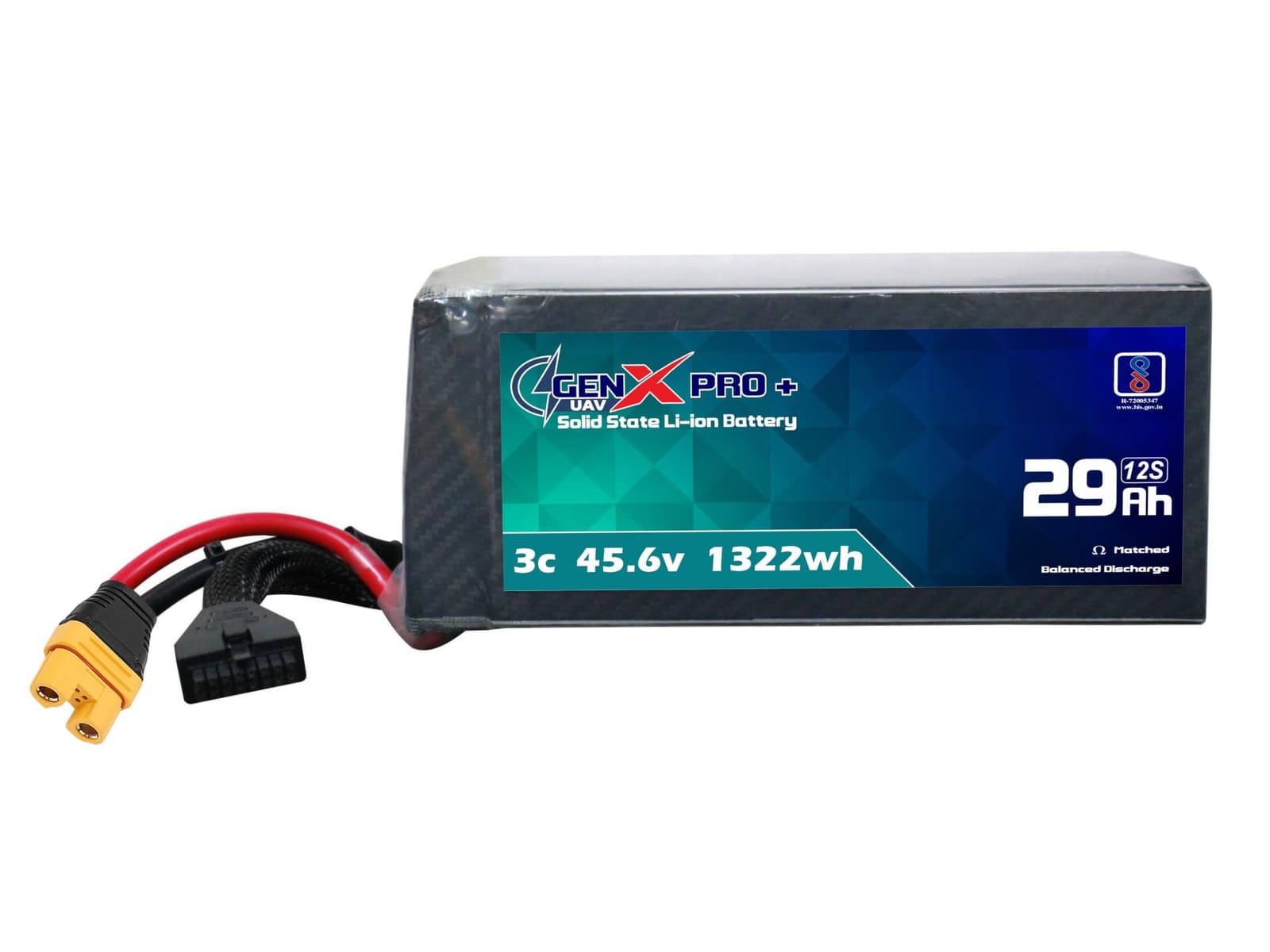
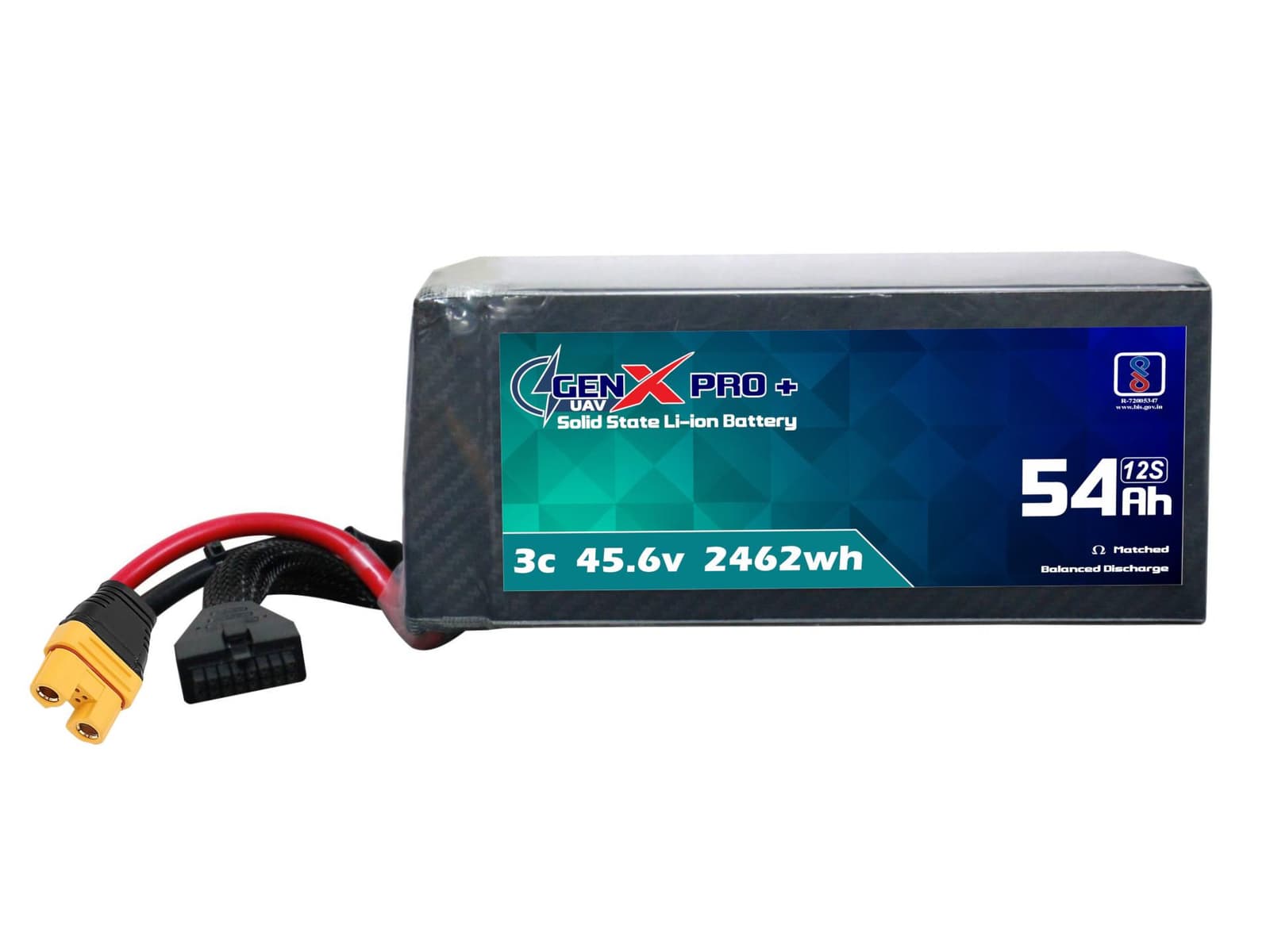
High capacity packs may be LiPo, Li-ion or solid-state depending on discharge needs and energy-density target should be evaluated against the aircraft duty cycle. LiPo packs can be suitable when high current delivery is the priority. Li-ion and solid-state options can be stronger candidates when endurance, energy density and controlled current draw matter. No chemistry is best for every drone. GenX treats chemistry as an application decision, then uses RFQ information to check whether the requested pack can meet payload, route, discharge and charging expectations.